Heartbreaking: Yuval Eilat’s widow releases cutting statement: “Our lives have been destroyed, and the camel caravan marches on.”

Three weeks after the fatal camel accident that cost Yuval Eilat Uzan his life, a herd of camels was seen roaming the Negev roads this morning. Regavim: “The Ministry of Agriculture’s negligence is a ticking time bomb.”

Just three weeks ago, Yuval Eilat Ozan, a resident of Kibbutz Dvir, was killed when he hit a stray camel while driving to work in Be’er Sheva. This morning, motorists reported on a herd of stray camels roaming the winding roads between Arad and Masada, endangering motorists’ lives. Judith Eilat Ozan, Yuval’s widow, decried the continuing chaos in the south, and criticized the authorities for ignoring the problem.

“Around three weeks ago, our lives and the lives of our beloved Yuval were decimated,” she says in pain. “It’s hard enough to come to terms with this blow and this unnecessary death, but the most shocking thing is to discover that his life and ours are of no importance; we are unprotected, and the caravan of camels continues to walk the roads of the Negev as if nothing happened. More camels, and more accidents, are on the way.”

“We are honest, law-abiding people who have always believed that the authorities should take responsibility for human life and insure people’s safety. This disregard, this abandonment, and the danger of this ongoing threat haunt us constantly. Perhaps if this problem is addressed and the government takes responsibility it will give some meaning to Yuval’s unnecessary and painful death.”

The Regavim Movement, which has been monitoring and addressing the phenomenon of camels roaming the Negev and led the battle for legislation of the 2018 “Camel Law” passed in 2018 by MKs Bezalel Smotrich and Eitan Kabel, notes that the Ministry of Agriculture is dragging its feet and stalling the full implementation of the law, which requires camels to be marked with a subcutaneous chip and imposes criminal liability on owners of wandering camels.

Yakhin Zik, Director of Operations at Regavim, says: “Fatal road accidents involving camels are a shocking phenomenon that must be eradicated. The Ministry of Agriculture has failed to implement the law and has not completed the camel registration and chip-identification that is meant to force owners to keep a close eye on their animals. We are working on an official Knesset plenum query on this matter and we will continue to monitor developments closely.”
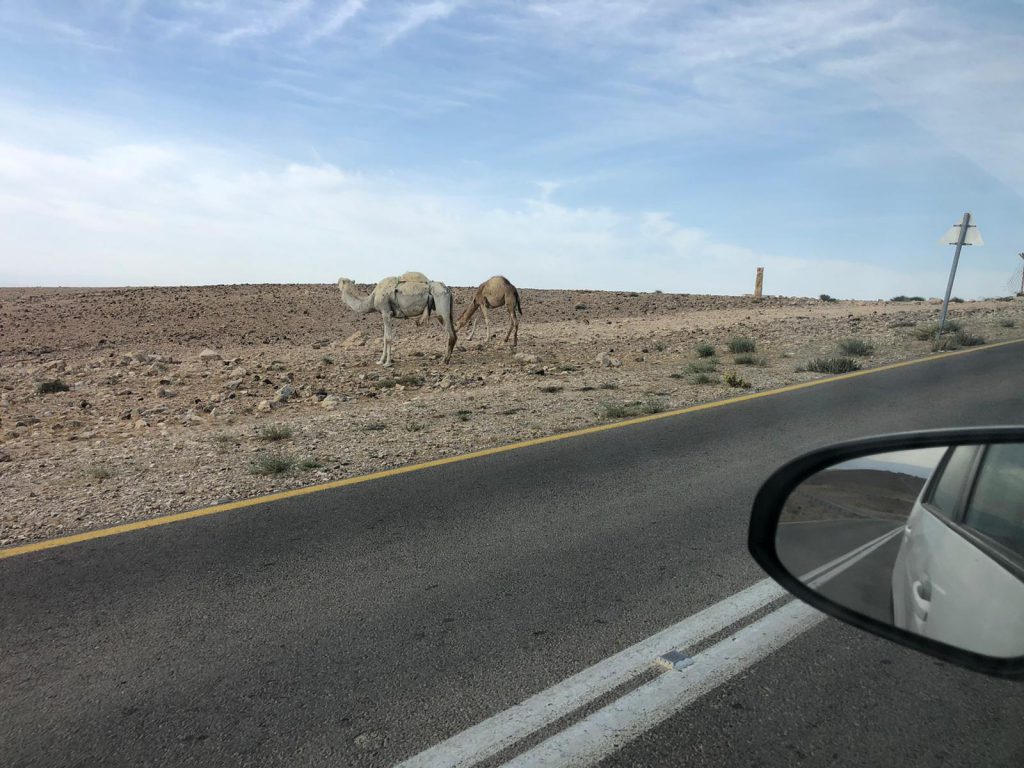
Camels seen on 11 May, near Arad and Masada

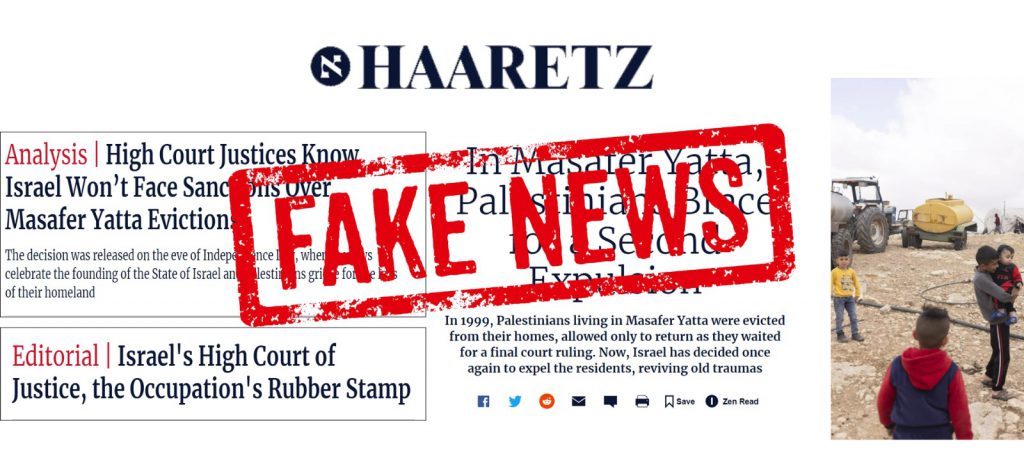
Last weekend, Israel’s High Court of Justice (HCJ) handed down a decision on a petition that’s been pending for two decades. The High Court allowed for hundreds of Palestinian invaders to be evicted from Training Ground 918, an IDF training zone in the South Hebron Hills region. The complicated case has been discussed in the courtrooms for no less than 20 years – a discussion that’s been based mainly on Fake News peddled by radical left-wing NGOs and the Palestinian Authority.

After repeatedly preventing any enforcement action against the invaders (who, in the meantime, built hundreds of additional illegal structures), the HCJ examined the aerial photos and maps, which prove beyond doubt that there was never any permanent Arab settlement in the area before it was declared an IDF training zone.

The Court’s verdict confirmed the obvious, and green-lighted the eviction of the invaders and return of the territory to the hands of the IDF.

It took two decades (!) for the HCJ to reach the right decision about 30,000 dunams that were stolen from the State of Israel – two decades too long, during which the case became more complex, problematic, and entangled in legal bureaucracy.

The Courts’ misguided and boundless leniency toward Palestinian intruders, even when at the expense of Israelis’ security and safety, proves to be a disaster, time and again. Instead of dealing with the problem in 918 early on, the State of Israel now needs to confront a difficult reality on the ground.

In the last few days, unsurprisingly, the Haaretz newspaper launched a propaganda campaign about the “Masafer Yatta eviction”. However, the facts are quite different, as we told you back in February 2021 >> see here.

Dear Friends and Partners,

Israel’s Independence Day, Yom HaAtzmaut, is a day of celebration – although every day, for 74 years now, we’re thankful for the Jewish and independent State of Israel.

The three weeks between Pesach and Yom HaAtzmaut are days of remembrance, renewal and national rebirth. These three weeks thread together the Exodus from Egypt, Yom HaShoah (Holocaust Remembrance Day) and Yom HaZikaron (Memorial Day for Israel’s Fallen), which gives way seamlessly to the celebration of our national independence.

Despite the challenges, despite the hardships we face, we recognize the simple truth: Israel is our one and only homeland.

Best wishes for a Happy Yom HaAtzmaut from the entire Regavim Team – and thank you for your continued partnership.

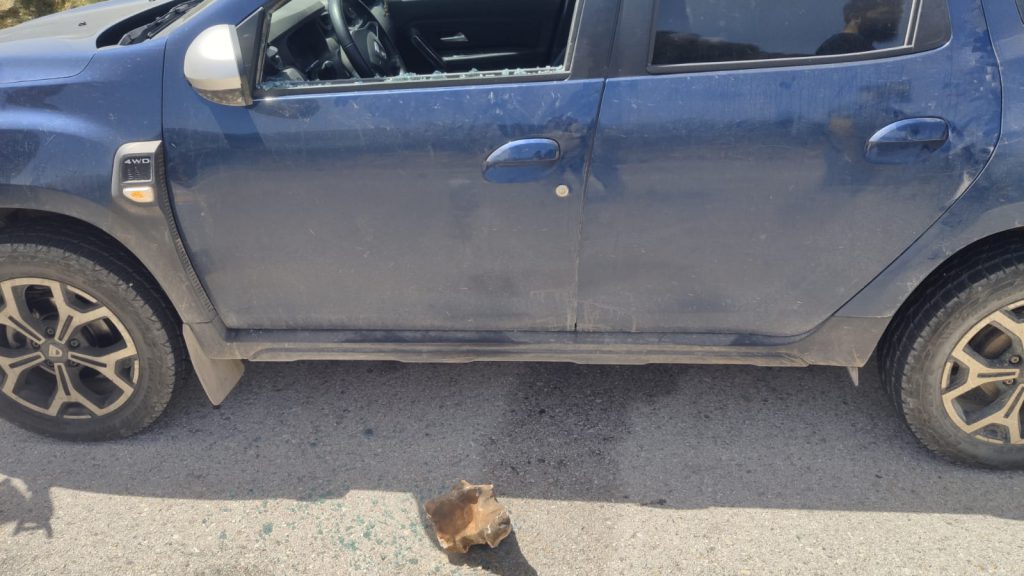
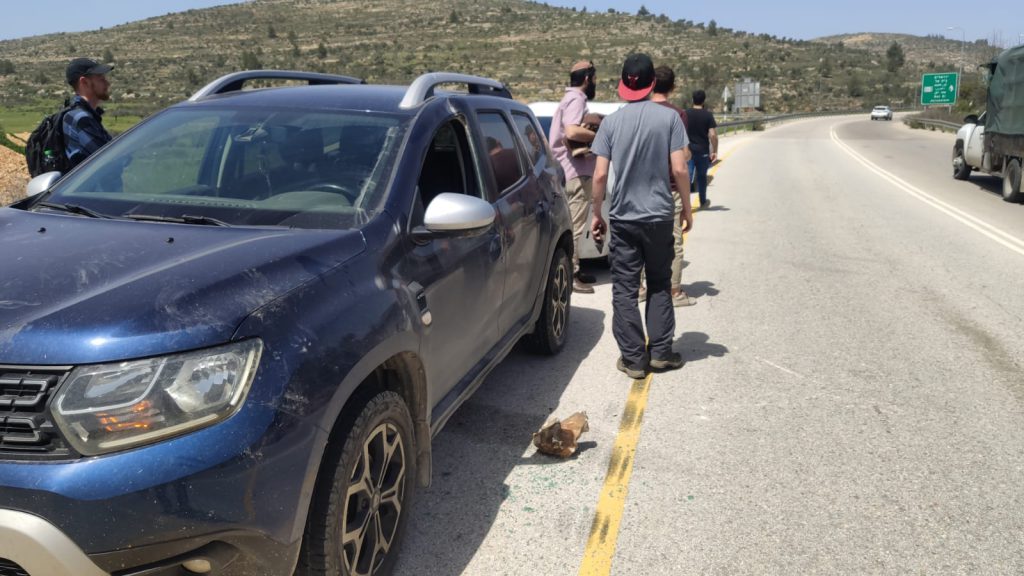
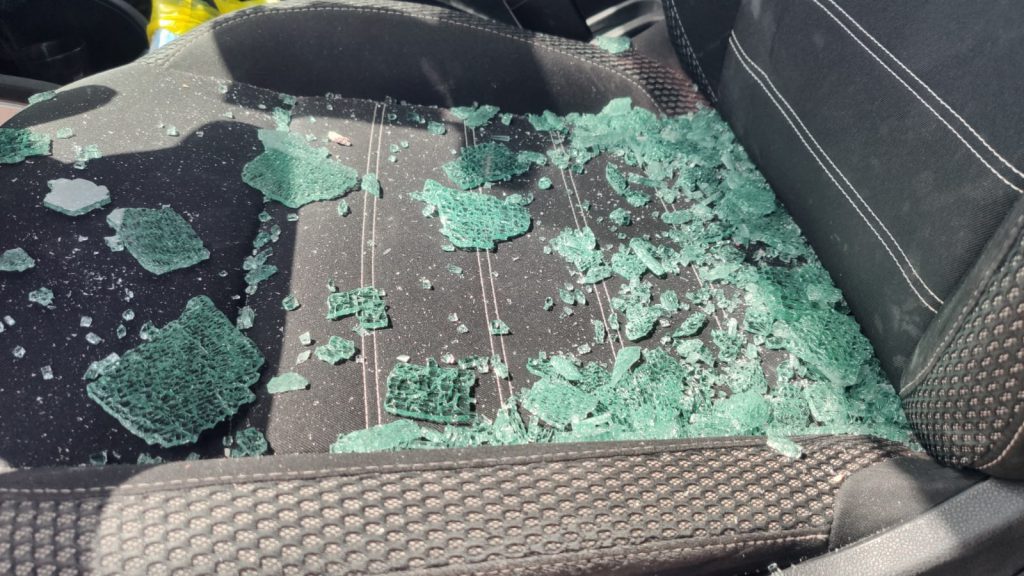
Yesterday, after a field tour with the “Shrinking the Conflict” organization, we found our car with a shattered windshield, a broken door, and a huge rock left on the road. Ironic, no?

As part of a tour that focused on environmental issues, we stopped near Route 465 in the Binyamin Region to get a closer look of the raw sewage that flows unchecked out of Bir Zeit and into the nearby streams, polluting the ground, the water, and the entire ecological system.

When we were about 20 meters from the cars, we noticed an Arab driver who braked and hurled an enormous rock toward our cars, shattering the windshield of Regavim’s field coordinator. This was an act of hatred and violence – and a sadly symbolic end to the tour.

Luckily, we weren’t sitting in the car when the rock was thrown or driving at speed. Sometimes people forget or are unaware of the daily reality in Judea and Samaria. For a long time, Judea and Samaria has been plagued with Arab terror of various sorts: rock attacks, molotov cocktails, knives, guns, and other forms of violence.

We’re not going to back down. We’re not afraid. We’ll continue to protect Israel’s land resources and to preserve Israeli sovereignty – throughout the Land of Israel. This is our one and only country. We refuse to give up on it.

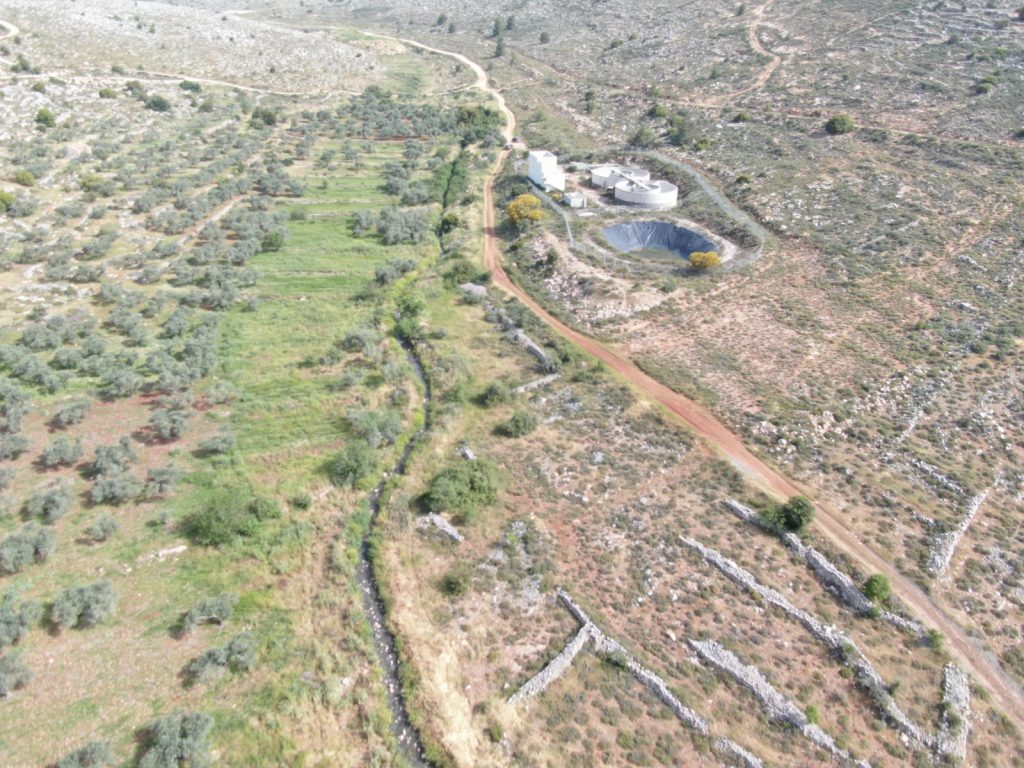
Ofra Wastewater Treatment Facility (top-right) and the raw sewage it is meant to treat

After 14 years, Israeli government to issue tender for the Ofra Wastewater Treatment Facility

Important environmental protection victory: A “Green Now” petition has resulted in an announcement by the state that it will issue a tender for bids to operate a wastewater treatment plant serving Ofra and adjacent Arab villages – 14 years after construction of the facility.

Are 14 years of bureaucratic foot-dragging and ongoing pollution about to end? Yesterday (Thursday), the Israeli government notified the High Court of Justice that it would publicize a call for bids for the operation of a wastewater treatment facility to serve the Jewish community of Ofra in the Binyamin Region, as well as five neighboring Arab villages. In the state’s response to a petition filed by the environmental protection group “Green Now” and residents of Ofra, the High Court was notified that the Civil Administration’s Committee on Tenders has approved the documentation and publication of a call for bids to plan, construct and operate the Ofra Wastewater Treatment Facility (WWTF).

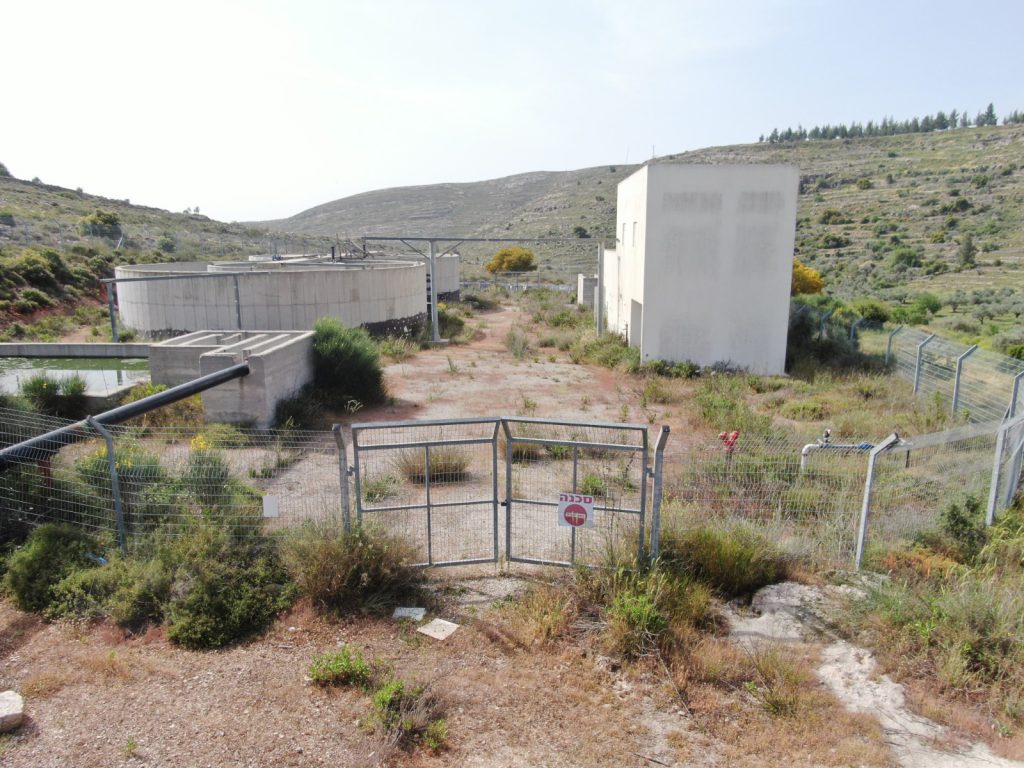
The WWTF at Ofra was built by the Binyamin Regional Council, with government funds, in 2009, but only after construction was completed, the land on which it stands was identified as privately owned. The project was frozen in 2011, before the facility was activated, when leftist organizations petitioned the High Court of Justice.

In its decision, the High Court instructed the state to activate the facility only after completion of legal expropriation of the property, which was duly completed in 2019 – but the facility wasn’t activated. Ever since, millions of cubic liters of raw sewage from Ofra and the nearby villages has continued to flow past the padlocked gates, polluting the soil, poisoning the olive groves and the groundwater.

In a hearing of the Green Now-Ofra petition in February 2022, the justices excoriated the state, and expressed outrage over the length of time that the process has dragged on – over a decade after the previous High Court of Justice decision was handed down. The High Court denied the government’s request for an additional extension of six months in order to prepare for publication of a tender.

Attorney Shlomo Meir Rabinowitz of “Green Now” responded to the announcement: “More than a decade has passed since the High Court of Justice’s decision decried the ongoing, catastrophic damage to the environment that continues with each passing day that the wastewater facility is left inactive. Now that the Civil Administration has announced the approval and publication of a call to submit tenders, we will continue to monitor progress, to insure that the Civil Administration does, in fact, take the necessary steps to activate the facility as promised. It is unfortunate that it took a lawsuit to get results.”

A ground-level view of the Ofra Wastewater Treatment Facility
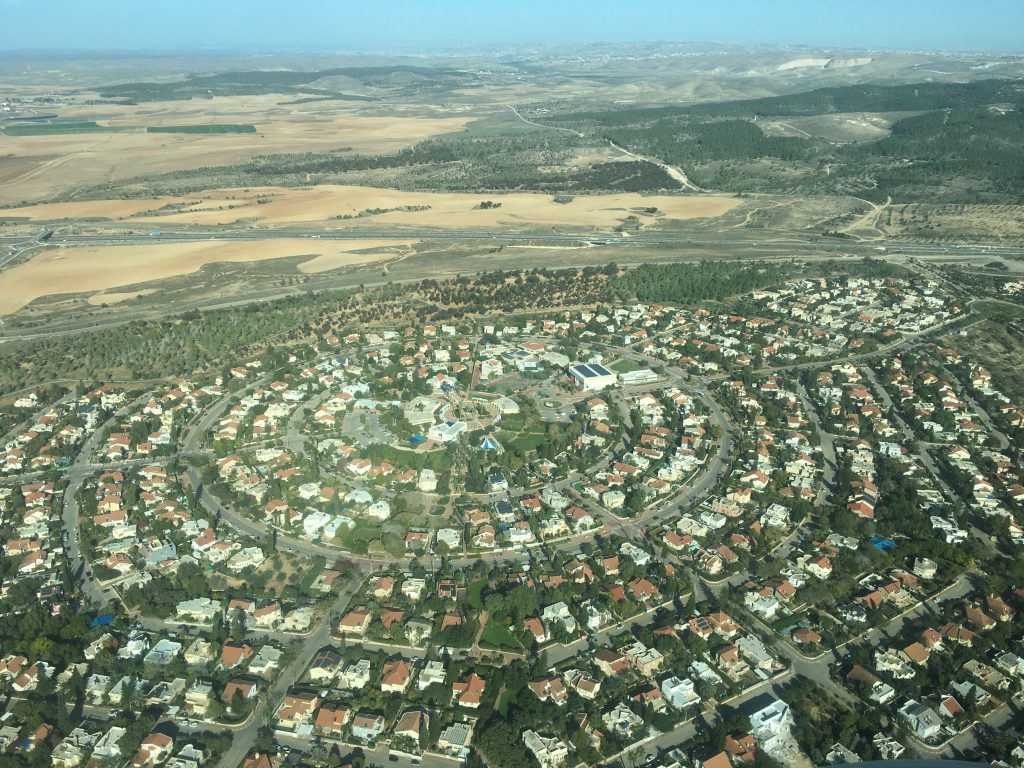
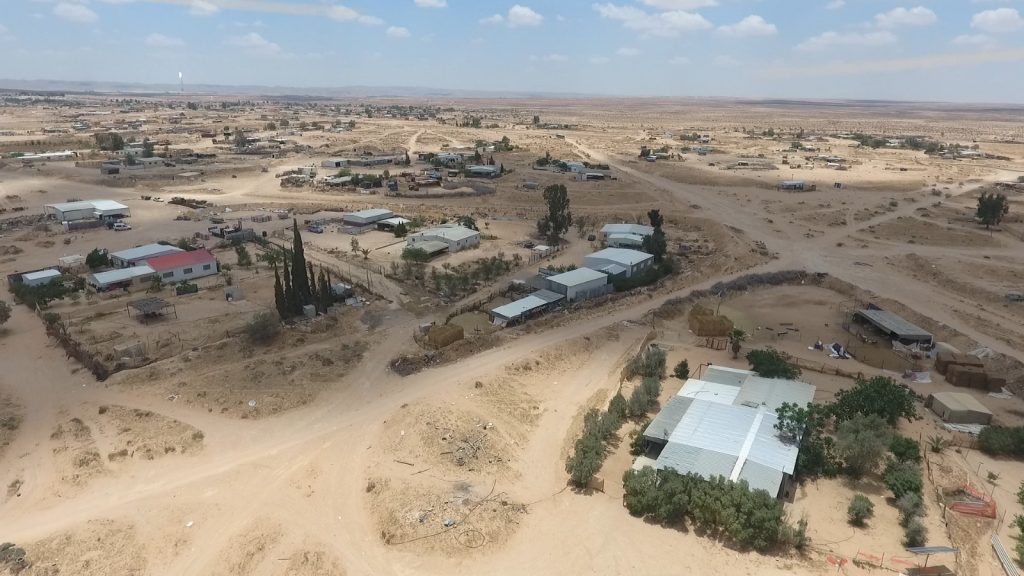
A view from above: Town of Lehavim in the Negev

Today (Sunday) the Israeli government approved the establishment of 5 new settlements in the Mevo’ot Arad region, including a new Bedouin settlement. Regavim called the decision a “positive and proactive Zionist settlement policy decision.”

The Regavim Movement welcomed this morning government’s decision to establish five new settlements in the Mevo’ot Arad region. Among the slated new communities is a new all-Bedouin settlement.

Regavim’s statement pointed out that today’s decision affirms decisions taken by the previous government in 2011 and 2014.

“The Mevo’ot Arad region is a strategic area for the State of Israel, and strengthening this region through the establishment of new settlements is an expression of basic Zionist ideals, using planning and regulation of land resources for settlement in a manner that will make the Negev desert bloom. We congratulate Minister of Interior Ayelet Shaked for her leadership in this matter.”

Regavim also welcomed the establishment of a new Bedouin community in the region, provided that it is established in accordance with the planning criteria set for the establishment of the other new settlements in Mevo’ot Arad, and subject to the ‘convergence model’ for relocation of Bedouin squatters formulated by the current government:

“Several months ago, the government approved the establishment of three new settlements and a new supra-tribal city for the Bedouin sector, subject to the ‘convergence model’, which includes detailed identification of the encampment clusters slated for relocation, signed consent and relocation commitments by 70% of those slated for relocation to the new community, and clear deadlines for relocation. These same criteria must be applied to the new community approved in today’s decision.”

Regavim: The radicalization of the Bedouin community in the Negev is unaddressed – and has resulted in bloodshed

Following the murderous attack in Beer Sheva this afternoon in which four people lost their lives, Regavim released an anguished statement: “Once again, the loss of governance in the Negev has taken an intolerable toll in human life. For years, Regavim has been sounding the alarm and calling out the loss of governance in the Negev. We have warned, again and again, that the void of governance in the Negev is an open invitation to extremism and radicalization of the Bedouin sector that will result in bloodshed. Today, our worst fears were realized, and blood has been spilled on the streets of Beer Sheva.”

Regavim added that “the government of Israel is afraid to raise the entire issue of law enforcement in the Negev, while it approves billions for the Bedouin sector’s five-year development plan. And who pays the price for this breakdown of common sense and loss of governance? The residents of the Negev, who are faced with a nightmare reality that continues to devolve with each passing day. The problem is not insufficient funding. The problem is the lack of law enforcement. There is a state within our state in the Negev; it is called Bedouistan. The time has come for the State of Israel to take back the Negev.”

The illegal Bedouin outpost of Khan al Ahmar near Kfar Adumim

High Court issues conditional order: We are forced to move toward a conclusion in the matter of Khan al Ahmar

This evening (Sunday) the High Court of Justice issued a conditional order in the most recent round of the Khan al Ahmar case. Tonight’s order, giving the government 120 days to explain its failure to fulfill the three-year old commitment to enforce the law “in the near future,” follows the government’s most recent request for an additional postponement:

“In light of the frequent requests for extensions and postponements, some of which were justified but most of which were less so; and in light of the amount of time that this petition has been pending, nearly three years; and in light of the fact that this ‘saga’ has been unfolding since 2009 when demolition orders were issued … we are forced at this juncture to take a further step toward a conclusion, by issuing a conditional order.”

The Regavim Movement, petitioner in the ongoing battle over the illegal encampment in the Adumim region, reacted to the new order: “The fact that we have been forced to petition the High Court of Justice again and again in order to compel the government to enforce the law is bad enough. Even worse is the government repeatedly giving a commitment to the High Court that it will enforce the law – and then failing to do so. It is not the job of the judicial branch to bail the executive branch out of the mess it’s made.”

Bir Hadaj in the Negev

Regavim: Removing the enforcement chapter from the new Five Year Plan for the Bedouin sector means surrender, and the establishment of Bedouistan in the Negev

Enforcement statistics for the past several years are unequivocal: New illegal construction in the Bedouin squatters’ camps is down, and law enforcement is up – significantly, reaching its peak in 2021 – as a result of the previous government’s policies and actions: The Kaminitz Law of 2018 and the enforcement chapter of the Five Year Plan for the Bedouin Sector, launched in 2017.

By removing the enforcement chapter from the new Five Year Plan for the Bedouin Sector, the government has turned its back on the Negev and bartered away the south of Israel to the Islamic Movement.

The decrease in illegal construction in the squatters’ camps of the Negev that has been documented over the past several years is attributable to two factors: The Kaminitz Law, and the enforcement chapter of the Five Year Plan – which has just expired.

Removal of the enforcement chapter from the Five Year Plan that is now being launched will undermine enforcement bodies and their ability to stop the sprawl of illegal settlement, and will put wind in the sails of illegal construction, resulting in the loss of more and more state land in the Negev.

Meir Deutsch, Director General of Regavim, responded to the government’s decision, announced this evening (Thursday), to launch the new masterplan for the Negev – without the inclusion of an enforcement chapter: “Regavim has been working for years to encourage the government to prevent the rise of “Bedouistan,” the state-within-the-state in the Negev. In the past few years we began to see encouraging signs of progress in enforcement against illegal construction, due to the Kaminitz Law and the previous Five Year Plan. Removing the enforcement chapter from the new Five Year Plan will reverse these gains. Bennet and Shaked, Elkin and Lieberman all campaigned on their commitment to restore governance to the Negev, but it now appears that it’s not only business owners in the Negev who been abandoned to extortionist protection rackets. The Israeli government has met the same fate.”

A state-within-a-state has taken shape in southern Israel: Bedouistan, the lawless state of the Negev.

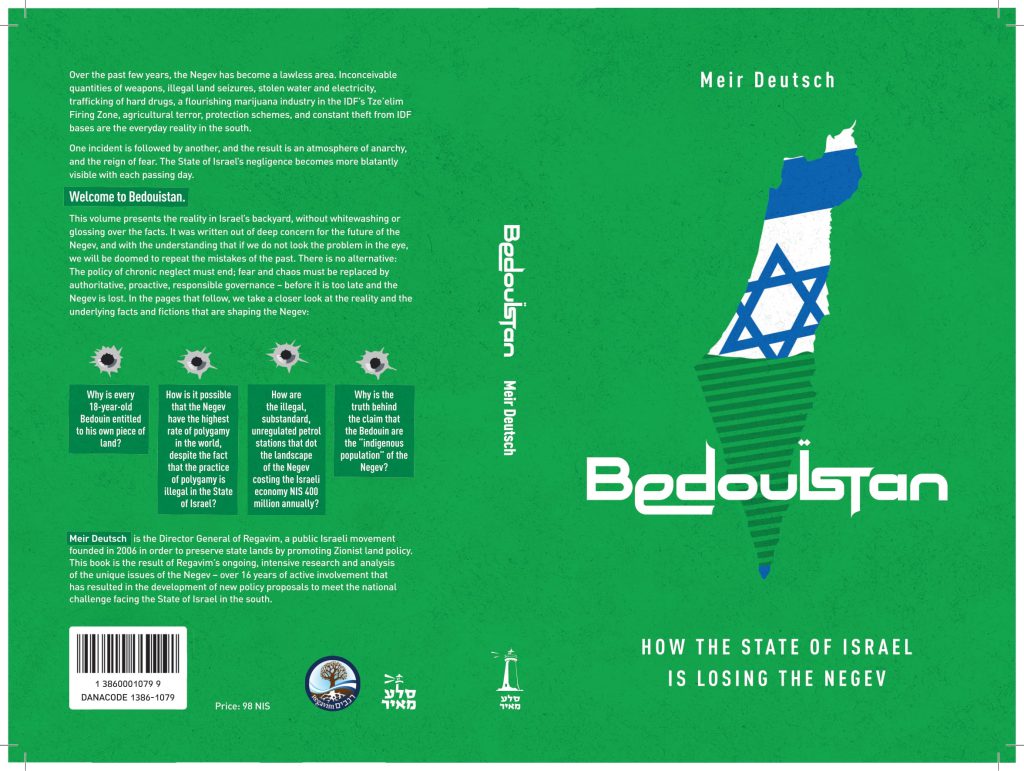
Order the book here.

Astonishing quantities of illegal weapons, land-grabs, water and electricity theft, drug trafficking and marijuana plantations on IDF firing zones, agricultural terrorism, protection rackets, home invasions, theft and armed robbery – all this and more make up the daily reality of the Negev.

“Bedouistan” raises some hard questions:
Why does every Bedouin receive a free parcel of land for their 18th birthday?
Why is the Negev the world’s polygamy capital?
How is it possible that some 400 million shekels is being stolen by illegal petrol stations in the Negev each year?
What’s the truth behind the claim that the Bedouin are the Negev’s “indigenous population”?

The Regavim Movement has been studying, documenting and recommending solutions for the Negev for over 16 years, and now Meir Deutsch, Director General of Regavim, has published a book that offers an insider’s view of the situation on the ground in the region that comprises some 60% of the territory of the State of Israel. This important and unique volume presents a factual view of what’s really happening down south – and what can be done to turn the situation around.

It’s not too late reassert Israel’s sovereignty in the Negev.

Order your copy today, and learn more!